

- Updated: May 15, 2025
You’ve been banned from Tinder. Shadowbanned on Instagram.
Booted off OnlyFans—not for content, but for behavior.
Every woman you meet has a boundary, a warning label, or an exit plan.
And somehow, every conversation still circles back to power. To fantasy. To sex.
You tell yourself it’s a phase. A release. A reward.
But it’s starting to cost you—attention, clarity, trust… maybe even your business.
You used to see people. Now you see opportunities.
You used to have preferences. Now you have scripts.
It was once about sex.
Now you chase the high.
This isn’t about being horny.
This is about being hollowed out.
And if you’re honest, you know it:
Success didn’t save you. It gave your addiction a better disguise.
And here’s where most people get it wrong:
This isn’t just about sex.
It’s about a pattern.
Because the same pull—the same need for intensity, control, and escape—
shows up in different forms.
Trading.
Overworking.
Fantasy.
Relationships.
Different behavior. Same loop.
→ Read: Addiction vs Compulsion (and how to tell the difference)
What We're Unpacking
🛑 Facing the Truth About My Sex Addiction

I didn’t walk into therapy thinking I had a problem. I thought I had a high sex drive. Maybe some quirks. Maybe a little unresolved stuff.
Then came the test.
It was supposed to be routine. Just another intake. But question after question, I was checking “yes.” Not just one or two—I was practically acing it.
The only ones I didn’t check?
-
“Have you had sex with children?”
-
“Have you been arrested because of your sexual behavior?”
Everything else? I owned it.
Multiple partners. Risky hookups. Objectifying others. Using sex to self-soothe. Losing time, focus, energy.
If it were graded, I would’ve earned an A+ in addiction denial.
Later, I realized my behavior could have gotten me arrested. And worse—some of what I normalized was the emotional equivalent of self-harm. But at the time, I didn’t think I was “that kind” of addict. I had no mugshot. No dramatic intervention. I had control… right?
No. What I had was a perfectly curated life wrapped around an emotional void. And sex was the shortcut to feeling something—even if it wasn’t real.
Despite years of risky casual sex and porn use, I wasn't addicted to sex.
— Denise Lee (@DeniseGLee) August 13, 2023
Nope.
I was addicted to lust and dopamine hits.
I was hooked on:
-Being looked as a sex object
-Objectifying people. They were just tools for my sexual gratification
-The high from risky sexual…
Fantasy isn’t the problem.
It’s what it replaces.
Real conversations.
Real risks.
Real discomfort.
Because in your head, everything is editable.
In real life, it’s not.
And if you’ve spent years learning to stay controlled, composed, and “on top of things,”
fantasy becomes the one place where you don’t have to deal with uncertainty.
That’s not imagination.
That’s regulation.
🔍 Why We Don’t Think It’s Us
Sex and love addiction doesn’t always look chaotic. It doesn’t always destroy careers or leave you broke.
Sometimes it just leaves you… numb.

We don’t seek help because:
-
It feels “normal” in our friend circles
-
The world rewards our hustle, not our healing
-
We think it’s just a phase, not a pattern
-
We don’t want to give up the control it gives us
But the truth? It’s more common than we think.
And the longer we avoid it, the deeper it hooks into our identity.
💼 How Sex and Power Intertwine for High-Achievers
You didn’t wake up one day and decide to be the villain.
You just liked the way she laughed at your jokes.
Always appreciated how “presentable” he was in front of clients.
All you wanted was just to feel admired. Respected. Desired.
So you hired the hot intern.
Made the sexually suggestive joke no one called you out on.
Comped the strip club tab for your client and said it was “part of the experience.”
And nobody stopped you.
Because honestly? Most of us were taught this was normal.
Your dad joked about it. Your mentor lived it.
And The Wolf of Wall Street wasn’t a cautionary tale—it was a business blueprint dressed up in entertainment.
You didn’t think you were addicted.
You thought you were successful.

🔍 Zoom In: The “Average” Business Owner Fantasy
It starts small.
You get lonely while traveling.
Use Instagram DMs like a dating app.
Maybe you “joke” with your team about which vendor you’d sleep with.
You rationalize it all: I’m not doing anything… I’m just letting off steam.
But that “steam” starts dictating where you travel, who you hire, who gets promoted, and who gets manipulated.
It becomes your decision-making matrix.
Not strategy. Not values. Not leadership.
Just fantasy management.
💸 Zoom Out: What Happens When You Add Millions and No Boundaries
Now imagine you’ve got real money. Real access. No one telling you “no.”
You’re not hiding your behavior anymore—you’re normalizing it inside your company culture.
And suddenly, you’re not that different from:
-
Sean Combs, orchestrating “freak-offs,” choreographing outfits, demanding obedience, and using wealth as leverage over women’s agency.
-
Kanye West, reportedly showing porn in meetings, berating employees, and creating an environment so toxic that Adidas had to launch a full investigation.
-
R. Kelly, who used fame and fear to systematize abuse, silencing people through power, proximity, and plausible deniability.
You might not be recording women.
You might not be stockpiling baby oil.
But you’re using power as currency for intimacy—and calling it success.
That’s the trap.
About Sean "P. Diddy" Combs
— Denise G. Lee (@DeniseGLee) September 18, 2024
and his crimes and stuff...
Before I begin, I want to make it clear: I am in no way justifying anything Sean "P. Diddy" Combs did to his victims, nor excusing the actions of his enablers.
But here's something no one seems to be talking about.
Sean…
💌 Pause & Reflect: A Note for You
You’re not the only one who’s successful, high-functioning—and still unraveling in secret.
I write weekly emails for people who are done pretending and ready to get real.
Grounded. Gritty. Trauma-informed. Never spammy.
👉 Join my private newsletter
Because healing doesn’t happen in isolation—and you don’t have to figure it all out alone.
🚧 What Builds a Sex Addict? (It’s Not What You Think)
It’s easy to look at people like Sean Combs, Kanye West, or R. Kelly and think, “I’m nothing like them.”
But most addictions don’t start with parties and private jets.
First, it starts with emotional suppression.
Next, a child learns their feelings don’t matter.
Finally, they adopt silence, shame, and secrets.
Below are the three most common roots I’ve seen—on Wall Street, in ministry, in coaching circles, and yes, in my own life.

🧠 Root #1: Performance > Personhood
You grew up praised for being impressive, not for being real.
Learned to get the A, the gold star, the “atta boy.”
Stayed silent to be good. You worked hard to be worthy.
Learned love was conditional—and sex became the fastest shortcut to approval.
So you chase orgasm like it’s a finish line.
You people-please in the bedroom and call it chemistry.
You think intensity is intimacy. It’s not.

🛑 Root #2: Childhood Abuse or Emotional Chaos
If you were raised in a home with verbal abuse, physical punishment, or sexual violation, your body wired sex with stress early.
So now? You self-soothe with porn.
You feel “normal” only when you’re objectified—or objectifying.
You attract emotional chaos because your nervous system thinks it’s home.
💸 Root #3: Power, Fame, and Zero Accountability
This is where things get dangerous.
Success gives you access.
Money shields you from consequences.
People stop saying no. And your unresolved trauma grows louder.
Just look at Sean Combs. Behind the glamor was a pattern:
-
Controlled relationships through sex and surveillance
-
Orchestrated drug-fueled sex parties, using employees to coordinate them
-
Allegedly reenacted pain while surrounded by enablers and silence
This isn’t just about evil men. It’s about what happens when nobody challenges you—and your old wounds start running the show.
😮💨 The Reality of Sex Addiction Recovery
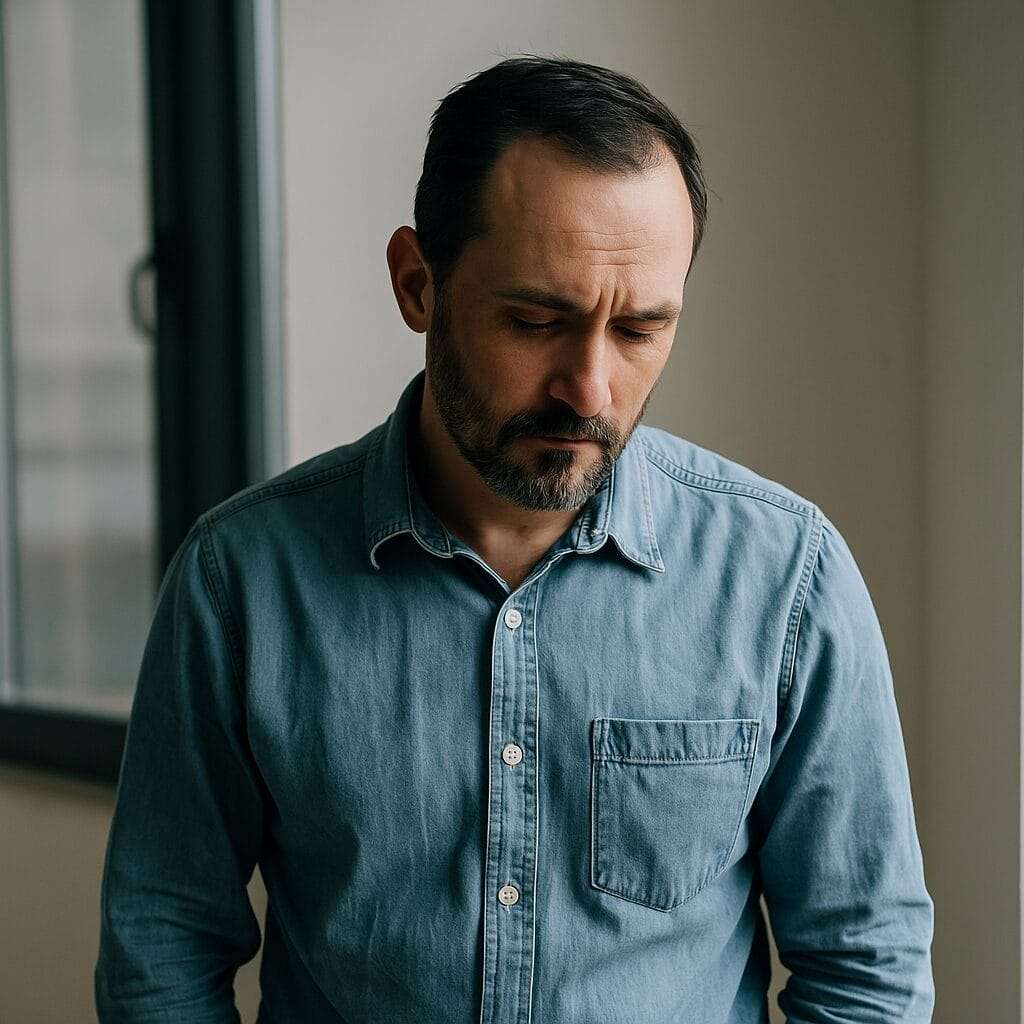
You won’t be “healed.”
Sorry, there won’t be a graduation day.
And you won’t cross a finish line and high-five the version of you who no longer feels desire, shame, or longing.
This isn’t a cold you get over.
It’s a brain that got rewired—and a soul that got trained to chase false comfort in secret places.
So let’s be real:
Even now, with over a decade of recovery, I still catch myself looking for that quick ego hit. I still have moments where I want to be admired more than I want to be seen.
That doesn’t mean I’ve failed.
It means I’m human—and I know my pattern.
🧨 Recovery Isn’t a Rebrand—It’s a Reckoning
You’ll want to believe you can outsmart it.
Hack your way around it.
Jump from toxic sex to “intentional intimacy” without sitting in the wreckage long enough to understand what drove it.
But if you don’t face what fed the addiction—
you’ll just find new ways to dress it up.
That’s why recovery takes 2 to 5 years just to stabilize.
And yes, you’ll probably relapse emotionally before you ever relapse physically.
You’ll crave intensity when you’re bored.
It is normal to fantasize when you’re scared.
And yeah, you’ll reach for the pattern before the truth.
📍Why Most People Stay Addicted (Even If They Think They’re Healed)
Because they believe they’re unlovable.
So they chase proof of it.
They ghost people who are kind.
They sleep with people who are cruel.
And yes, they confuse being chosen with being seen.
And every time it falls apart, they whisper, “See? I knew I was broken.”
But you’re not.
You’re just repeating the only script you were ever handed.
And this doesn’t stay contained.
The same pattern shows up in different forms:
→ Overworking instead of feeling
→ Chasing stimulation in environments like trading
→ Getting hooked on emotional intensity in relationships
Different outlet. Same loop.
🛠 What Real Recovery Looks Like
It’s not pretty.
It’s not a perfect calendar or a new relationship.
It’s this:
-
Creating a relapse prevention plan that’s actually honest about your triggers
-
Learning how to sit with loneliness without bargaining through DMs
-
Talking about your story—not to shock, not to perform—but to stop hiding
-
Saying no to dating for a year so you can finally feel what it’s like to be with yourself without negotiating your worth

🧠 What You’ll Wish Someone Told You Sooner
The danger isn’t that you escape sometimes.
It’s that you start living there.
Because the more time you spend in a version of life that feels better, smoother, or more resolved—
the harder it becomes to tolerate the one that’s real.
And that’s when something subtle shifts:
You stop participating in your life…
and start observing it instead.
Not because you don’t care—
but because it feels easier to imagine change than to live through it.
And if that’s happening?
It’s not harmless anymore.
Go Deeper
Want a companion for the road?
I’ve been where you are—and I’m not afraid to go there with you.
You don’t have to perform your way into healing.
You just have to stay in the room with yourself long enough to change.


